Why Sensitive Skin Reacts to Toilet Paper
Sensitive skin doesnโt need much to throw it off balance. Something as simple as toilet paperโsomething most people never questionโcan become a daily irritant. If youโve ever felt that burning, itching, or tight sensation after wiping, youโre not imagining it. The skin in that area is naturally delicate, and repeated friction can slowly wear it down like sandpaper on soft wood. Over time, what starts as mild discomfort can turn into chronic irritation.
The problem isnโt just the wiping itself, but what the skin is being exposed to during the process. Toilet paper is designed for absorption, not gentleness. So when it comes into repeated contact with sensitive skin, especially dry or inflamed skin, it can create microscopic damage that builds up over time. Thatโs where many dermatologists start pointing toward alternatives like bidets, which eliminate much of that physical stress entirely.
Friction and Microtears in the Skin Barrier
Think of your skin like a protective wall made of tiny bricks. Each time you wipe with dry paper, you’re scraping against that wall. Over time, those repeated motions can create tiny cracksโwhat dermatologists call microtears. These are not visible to the eye, but you feel them as stinging, redness, or discomfort.
Once that barrier is compromised, everything becomes more sensitive. Even sweat or clothing friction can start to feel irritating. This is why people with already-sensitive skin often find toilet paper makes the issue worse instead of better. A bidet removes this scraping motion entirely, replacing it with a gentle rinse that preserves the integrity of the skin barrier.
Chemicals, Fragrances, and Bleaching Agents
Toilet paper isnโt always as โcleanโ as it looks. Many brands use bleaching agents, perfumes, or softening chemicals to improve appearance and feel. While these additives might make the paper feel softer, they can be harsh on sensitive skin.
For people prone to irritation, these chemicals can trigger inflammation or allergic reactions. Even โluxuryโ toilet paper is not always hypoallergenic in the way skin truly needs. This is where water-based cleansing offers a huge advantageโit removes waste without introducing unnecessary irritants.
Hidden Irritants in Everyday Tissue Products
Even when toilet paper claims to be โunscented,โ it may still contain residual processing chemicals. These arenโt always listed clearly, and most users never think twice about them. But for sensitive skin, repeated exposure can be enough to cause ongoing discomfort.
This hidden layer of irritation is one of the biggest reasons dermatologists increasingly recommend switching to water cleansing systems. Itโs not just about cleanlinessโitโs about removing exposure to unnecessary chemical stressors altogether.
How Bidets Help Protect Delicate Skin
Bidets work on a simple but powerful principle: remove friction, replace it with water. That single shift changes everything for sensitive skin. Instead of scraping and wiping, the skin is cleansed using a soft stream of water that does the job without mechanical damage. Itโs like the difference between scrubbing a wound with a rough cloth versus rinsing it gently under clean water.
This method is especially helpful for people who deal with recurring irritation. When the skin is no longer being repeatedly abraded, it has the chance to heal naturally. Over time, many users report less redness, less itching, and a general feeling of comfort that they didnโt realize was missing.
Gentle Water Cleansing vs Dry Wiping
Dry wiping relies on pressure and friction. Even the softest tissue still requires movement across the skin. Water, on the other hand, flows. It adapts. It cleans without scraping.
This difference might sound small, but for sensitive skin, itโs massive. Water reduces the need for repeated contact, which is often what triggers irritation in the first place. Itโs not just a cleaner methodโitโs a gentler one.
Reduced Inflammation and Faster Healing
When irritation is reduced, inflammation naturally follows. Skin that isnโt constantly being disturbed can begin repairing itself. This is especially important for people dealing with conditions like dermatitis, hemorrhoids, or general sensitivity.
Bidets allow the skin to remain in a calmer state throughout the day. Instead of cycling between irritation and temporary relief, the area stays consistently clean without trauma. Over time, this can support faster healing and fewer flare-ups.
Maintaining the Skinโs Natural Moisture Barrier
One often overlooked issue with toilet paper is dryness. Repeated wiping strips away natural oils that protect the skin. Without those oils, the skin becomes more vulnerable and reactive.
Bidets help maintain this moisture balance. Because water cleans without removing protective oils aggressively, the skin retains more of its natural defense system. This keeps the area healthier, more resilient, and less prone to discomfort.
Who Benefits Most from Bidets
Not everyone thinks about bathroom hygiene in terms of skin health, but for some people, it makes a huge difference in quality of life. Those with sensitive skin conditions often notice improvements almost immediately after switching to bidets.
This isnโt just about comfortโitโs about reducing daily irritation that compounds over time. When the skin is less stressed, everything from sitting to moving becomes easier.
People with Hemorrhoids or Anal Discomfort
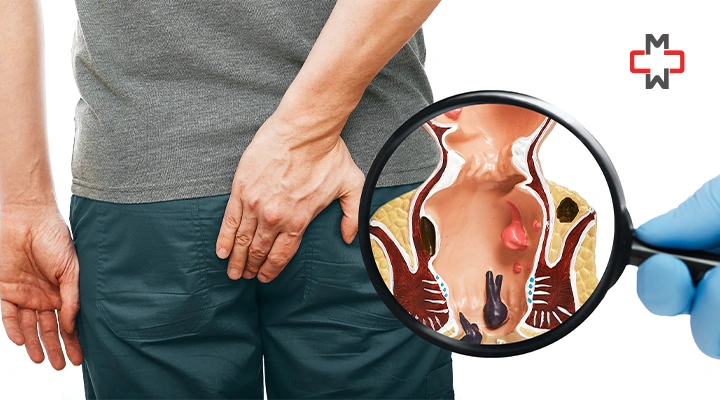
Hemorrhoids already make the area sensitive and inflamed. Adding dry wiping into the mix can worsen pain significantly. Bidets reduce the need for contact, which means less pressure on already swollen tissue.
Many users report that switching to water cleansing feels like removing a daily trigger for pain. Instead of dreading bathroom visits, they experience a much gentler routine.
Individuals with Chronic Skin Sensitivity
Some people naturally have more reactive skin. This can be due to genetics, environmental factors, or underlying conditions. For them, even mild friction can cause discomfort.
Bidets offer a way to minimize that constant irritation cycle. By removing physical rubbing and chemical exposure, they help maintain a more stable skin environment.
Post-Surgery and Medical Recovery Support
After surgery, especially in the lower digestive or pelvic area, cleanliness becomes extremely importantโbut also extremely delicate. Doctors often recommend avoiding friction during recovery, which makes bidets a practical solution.
Using water instead of paper helps reduce trauma to healing tissue. It also lowers the risk of irritation that could slow down recovery or increase discomfort.
Why Doctors Recommend Water-Based Cleaning
Medical professionals often emphasize cleanliness without abrasion. Water-based cleaning fits perfectly into this approach because it removes waste gently without disturbing healing skin.
This is especially important in the early stages of recovery when the tissue is most vulnerable. The goal is to keep the area clean without introducing additional stress.
Safety Considerations During Recovery
While bidets are generally safe, settings matter. A gentle pressure level is important, especially post-surgery. Harsh water pressure can be uncomfortable, so adjustable settings are key.
Warm water is often preferred because it mimics body temperature and feels less shocking on sensitive tissue. Small adjustments like these make a big difference in comfort and healing.
Choosing the Right Bidet for Sensitive Skin
Not all bidets are created equal. For sensitive skin, the focus should be on control, gentleness, and hygiene. Features like adjustable pressure, temperature control, and nozzle positioning can significantly improve the experience.
Electric bidets often offer more customization, while non-electric attachments are simpler and more affordable. The best choice depends on individual needs, but comfort should always come first.
Features That Matter Most
When selecting a bidet for sensitive skin, a few features stand out:
- Adjustable water pressure
- Warm water option
- Self-cleaning nozzle
- Soft spray modes
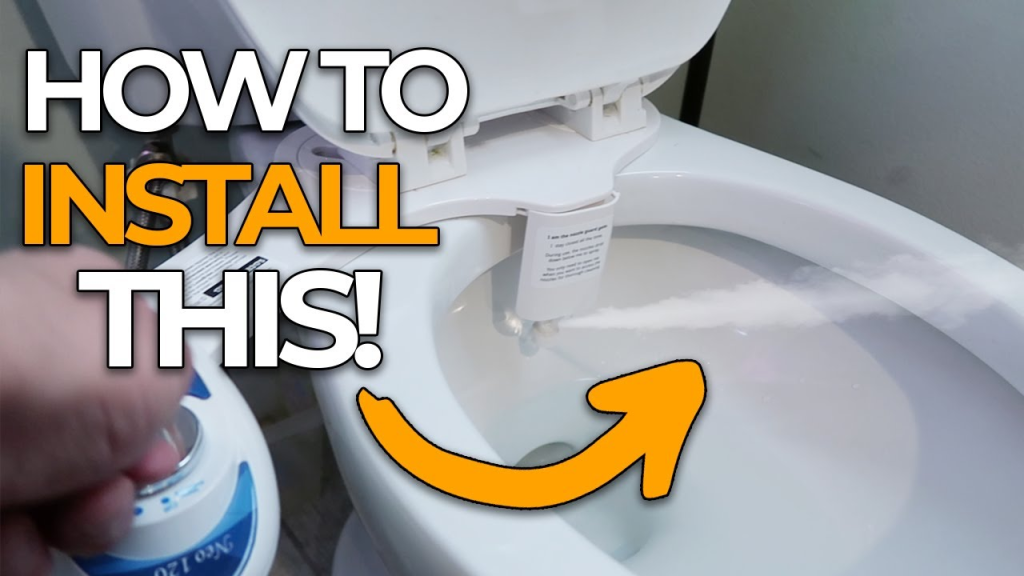
- Easy installation
These features ensure that the user can tailor the experience to their comfort level. The goal is not just cleanliness, but also skin protection and long-term comfort.
Hygiene Science Behind Bidets
From a dermatological perspective, water is simply less abrasive than paper. It doesnโt create microtrauma, and it doesnโt rely on friction to clean. This makes it inherently more skin-friendly.
Research in hygiene practices shows that water cleansing often leaves less residue than dry wiping. That means fewer irritants remain on the skin, reducing the risk of inflammation.
Dermatological Perspective on Water vs Paper
Dermatologists often compare skin cleansing methods based on irritation potential. Dry wiping ranks higher in irritation risk due to friction and chemical exposure.
Water cleansing, on the other hand, is considered lower risk for sensitive skin because it minimizes mechanical stress. This makes it a preferred option for patients dealing with chronic irritation or recovery situations.
Conclusion
Bidets offer a simple but powerful shift in how we think about hygiene. Instead of relying on friction-based cleaning, they introduce a gentler, more skin-friendly approach that supports long-term comfort. For people with sensitive skin, hemorrhoids, or post-surgery needs, this small change can make a noticeable difference in daily life. Itโs not just about cleanlinessโitโs about protecting the skin barrier and reducing unnecessary irritation.
FAQs
1. Are bidets safe for sensitive skin?
Yes, bidets are generally very safe and often recommended for sensitive skin because they reduce friction and irritation.
2. Can bidets help with hemorrhoids?
Yes, they can reduce irritation and discomfort by eliminating the need for wiping.
3. Do bidets remove bacteria better than toilet paper?
Water cleansing can reduce residue more effectively than dry wiping, improving hygiene.
4. Is warm water better for sensitive skin?
Warm water is often more comfortable and less shocking for sensitive or inflamed skin.
5. Can I use a bidet after surgery?
Yes, but gentle pressure settings are recommended, and you should follow medical advice.