Why This Comparison Matters
Choosing between an electric and non-electric bidet isnโt just a product decisionโitโs a lifestyle decision. It affects your daily comfort, your budget, and even how you think about hygiene. Some people want a spa-like bathroom experience, while others just want something simple that gets the job done.
And hereโs the interesting part: both options clean you equally well at the core level. The real difference is not hygieneโitโs comfort, convenience, and features. So the real question becomes: do you want a basic but effective system, or a more advanced, comfort-driven experience?
Understanding this difference helps you avoid overspending on features you donโt needโor underbuying and later wishing you had more comfort.
What Is an Electric Bidet?
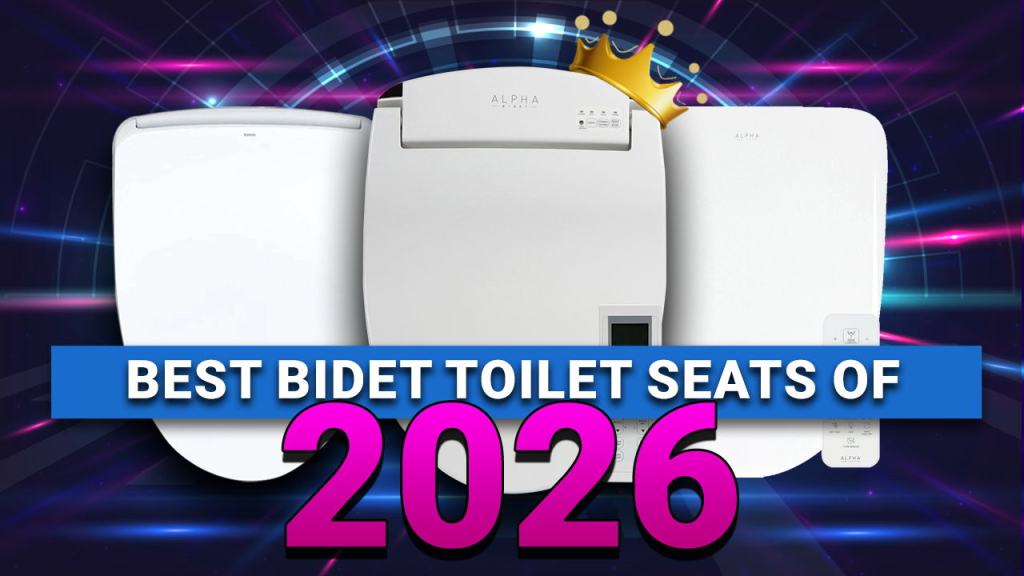
An electric bidet is a powered toilet seat system that uses electricity to enhance the cleaning experience. Unlike basic models, it doesnโt rely solely on water pressure from your plumbing system.
Instead, it can heat water, adjust spray modes, and sometimes even dry you after use. Many models come with remote controls or side panels that allow users to customize settings like temperature, pressure, and nozzle position.
Think of it as upgrading from a basic fan to air conditioning. Both cool you down, but one gives you full control over comfort.
What Is a Non-Electric Bidet?
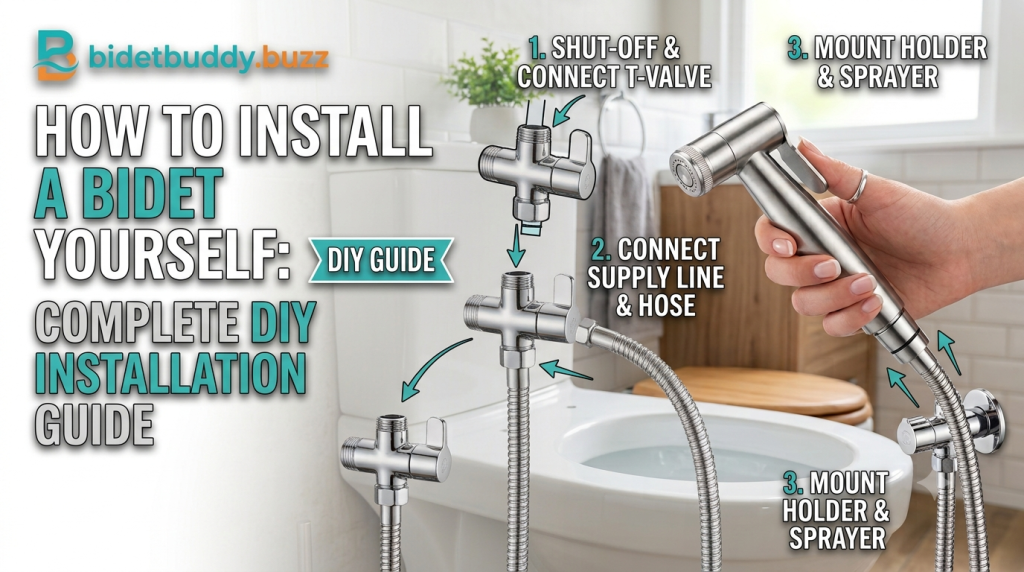
A non-electric bidet is a simple water-powered system that connects directly to your toiletโs water supply. It uses water pressure aloneโno electricity, no heating, and no digital features.
These models are popular because they are easy to install, affordable, and reliable. They do one job extremely well: cleaning using water.
You donโt need charging, wiring, or complicated setup. Itโs a plug-and-play hygiene solution that focuses purely on function over comfort extras.
Key Differences Between Electric and Non-Electric Bidets
Water Temperature Control
Electric bidets can heat water instantly, offering a warm and comfortable cleaning experience. Non-electric bidets use cold or room-temperature water, depending on your plumbing system.
Power Requirements
Electric bidets require a power outlet near the toilet. Non-electric models work without electricity, making them more flexible for any bathroom setup.
Features and Functionality
Electric models often include advanced features like:
- Heated seats
- Adjustable spray patterns
- Air drying systems
- Deodorizing functions
Non-electric models focus on:
- Water spray control
- Pressure adjustment
- Simple mechanical operation
Electric Bidet Advantages
Heated Water Comfort
One of the biggest advantages of electric bidets is warm water cleaning. This makes the experience more comfortable, especially in colder weather or sensitive situations.
Air Dryer Function
Some electric bidets eliminate the need for toilet paper entirely by using a built-in air dryer. This adds convenience and reduces waste even further.
Remote Control and Smart Features
Modern electric bidets often come with remote controls or touch panels. This allows users to adjust settings easily without bending or reaching awkwardly.
Non-Electric Bidet Advantages
Affordability
Non-electric bidets are significantly cheaper than electric models. They provide strong hygiene benefits without a high upfront investment.
Easy Installation
Most non-electric bidets can be installed in under 30 minutes without professional help. No wiring, no complicated setupโjust connect and use.
Portability and Rental-Friendly Use
Because they donโt require electricity or permanent installation, non-electric bidets are ideal for renters or temporary housing situations.
Which One Is Better for Hygiene?
Both electric and non-electric bidets clean effectively because they rely on water. The core hygiene performance is similar.
The difference lies in comfort and customization, not cleanliness. Electric models may feel more refined, but non-electric models still deliver strong cleaning performance.
Which One Is More Cost-Effective?
Non-electric bidets win on upfront cost. They are budget-friendly and require no electricity.
Electric bidets cost more initially but may reduce long-term toilet paper usage even further due to added drying features. However, they also add electricity usage.
So cost-effectiveness depends on your priorities: low entry cost vs premium convenience.
Which One Is Easier to Maintain?
Non-electric bidets are easier to maintain because they have fewer components. There are no electrical parts to worry about.
Electric bidets require more care due to wiring, sensors, and heating systems, but they are still low-maintenance when used properly.
Who Should Choose Electric Bidets?
Electric bidets are ideal for people who:
- Want maximum comfort
- Prefer warm water cleaning
- Want advanced features like dryers and remote control
- Use bidets daily and want a premium experience
Who Should Choose Non-Electric Bidets?
Non-electric bidets are perfect for:
- Budget-conscious users
- Renters or students
- First-time bidet users
- People who prefer simple, no-maintenance solutions
Final Recommendation
The choice between electric and non-electric bidets comes down to lifestyle, not price alone.
If you want comfort, warmth, and advanced features, electric is worth it. If you want simplicity, affordability, and reliability, non-electric is the smarter choice.
Both improve hygiene significantlyโthe difference is how much comfort you want in your daily routine.
Conclusion
Electric and non-electric bidets both solve the same problem: better hygiene with water instead of wiping. The real difference is experience.
One gives you a luxury bathroom upgrade. The other gives you a practical, cost-effective solution that just works. Either way, youโre making a smart move toward cleaner, more sustainable hygiene.
The best choice is not the most expensive oneโitโs the one that fits your life.
FAQs
1. Do electric bidets clean better than non-electric ones?
No. Both clean effectively. The difference is comfort and features.
2. Do electric bidets use a lot of electricity?
No. They use minimal electricity for heating and features.
3. Are non-electric bidets good enough for daily use?
Yes. They are widely used and highly effective.
4. Which bidet is better for renters?
Non-electric bidets are better due to easy installation and removal.
5. Is it worth upgrading from non-electric to electric?
Yes, if you want added comfort like warm water and drying features.